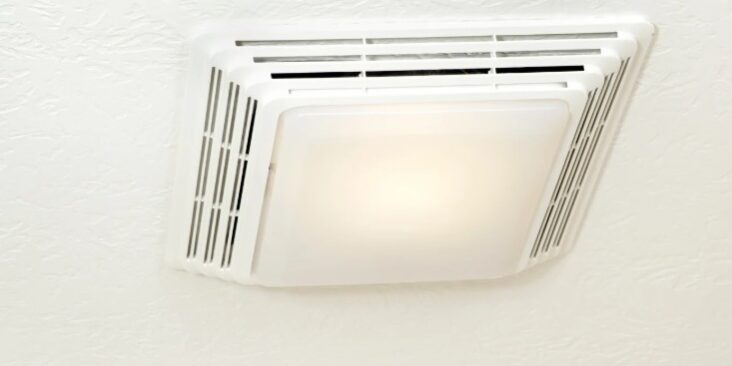
Water dripping from a bathroom fan might seem like a minor nuisance, but it can quickly escalate into serious issues like water damage, mold growth, and even structural problems. Addressing a water leak early on helps you avoid expensive repairs and potential health risks down the line.
Causes of Water Dripping From Bathroom Fan
If water is dripping from your bathroom fan, there could be several common causes, many of which are manageable with the right solutions. Understanding what’s behind the leak can help you decide whether you can fix it yourself or need professional assistance.
Condensation
The most common cause of bathroom fan leaks is duct condensation. When warm, moist air from showers meets cooler air, water droplets can form on the ductwork. Poorly sloped ducts or improper insulation can allow this water to pool and drip back through the fan.
This is especially common in winter when the temperature difference is greatest. Similarly, humid outdoor air in the summer can condense on air-conditioned pipes, causing similar issues.
Rainwater Leaks
Rainwater can infiltrate the system when the vent hood or flashing is compromised or if the damper is faulty. Once inside, it can travel through the ducts and eventually leak from the fan, leading to potential damage and a messy situation.
Improper Installation
Improperly installed ducts and fans are another frequent culprit. Using ducts of the wrong size, skipping proper insulation, or placing the fan directly over a shower or tub can lead to excessive leakage. Without proper insulation, condensation buildup is more likely, especially in colder climates.
Blocked Venting
A blocked or inadequately sized vent can prevent moist air from escaping, causing it to back up into the ducts. This trapped air eventually condenses and drips down through the fan housing.
Damaged Components
Problems like vent hood damage, flashing damage, or faulty dampers can allow external moisture to enter the ductwork. Over time, this can contribute to dripping issues if left unaddressed.
Other Causes
In colder climates, ice accumulation around ducts can melt and leak through the fan. Vapor barrier condensation caused by poor insulation may also lead to water pooling inside ducts. An underused fan that allows moisture to sit in the ducts can exacerbate the problem, making regular fan operation an essential preventative measure.
Checking for Ceiling Water Damage
When dealing with a bathroom fan leaking water, check for ceiling water damage to prevent further problems, like structural issues or mold growth.
Signs of Ceiling Water Damage To Look For
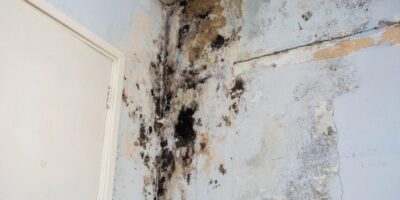
Stains or discoloration on the ceiling are the most obvious signs of water damage. These spots often appear brown, copper, yellow, or rusty and can vary in size and shape. Another key indicator is peeling paint or wallpaper, which may affect walls and trim if water has seeped beyond the ceiling cavity.
Sagging or bulging areas on the ceiling indicate significant water damage and pose safety concerns, as these areas could collapse.
Tips for Checking Ceiling Leaks and Water Damage
To assess the extent of the problem, examine the area around the leak.
- Inspect the Attic for Damp Spots Near Ducts: If the ceiling leak is below an attic, check for moisture on the underside of the roof and near the ductwork. Roll back insulation to see if the drywall or wood framing is wet.
- Check Insulation, Drywall, and Framing for Moisture or Mold: Water pooling in the ceiling cavity may have soaked the surrounding materials, promoting mold growth. Use a moisture detector to test areas that don’t show obvious signs of damage.
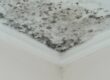
- Look for Mold Growth in the Ceiling Cavity: Mold often appears in hidden areas where water accumulates. If you notice musty odors or respiratory symptoms that improve when you’re outdoors, inspect your home thoroughly, even if no visible damage is present.
When To Seek Professional Help
In most cases, water damage requires immediate professional intervention. If you find extensive sagging, structural issues, or signs of a roof leak, it’s best to call in experts. Professionals can pinpoint and resolve issues like damaged flashing, old roof vent components, or a failing vent cover. This is especially important after weather-related damage, which can worsen over time.